
China-Nigeria Trade Enters New Phase as Chinese Businesses Target Nigerian Consumers
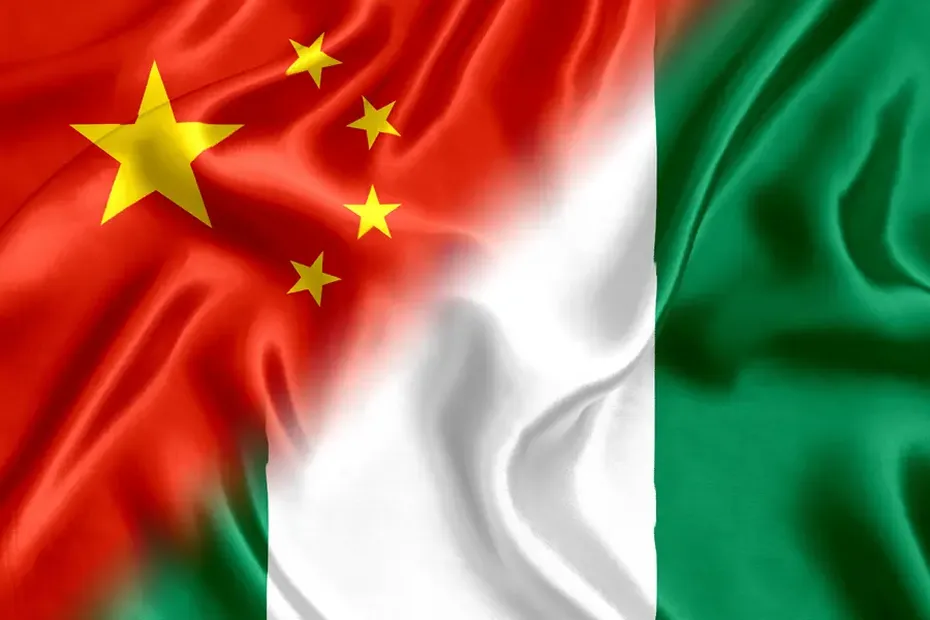
China-Nigeria trade is entering a new phase as Chinese businesses increasingly move closer to the Nigerian consumer market, raising fresh questions about competition, local businesses and the future of retail in Africa’s largest economy.
For decades, the relationship followed a familiar pattern. Chinese manufacturers produced goods, Nigerian traders travelled to China to source them, and local importers, wholesalers and retailers distributed the products across the country.
That model created thousands of businesses around the importation and sale of Chinese-made goods. But the traditional divide between supplier and retailer is now becoming less clear.
Chinese Businesses Move Closer to Consumers
The issue came into sharper focus following protests by traders at the Lagos International Trade Fair Complex over concerns that some Chinese businesses were moving into direct retail activities.
The development has sparked concern among Nigerian merchants who rely heavily on imported Chinese products for their businesses.
However, the allegations surrounding individual Chinese businesses have not been independently verified, making it important to distinguish between the broader shift in the China-Nigeria commercial relationship and specific claims made by traders.
A Major Trading Relationship
China remains a major source of goods entering Nigeria, making the country an important part of Nigeria’s import and retail ecosystem.
For Nigerian traders, the traditional model involves several stages — sourcing, shipping, customs clearance, warehousing, wholesale distribution and retail. Thousands of small and medium-sized businesses participate in these activities.
A stronger direct presence by foreign companies could therefore change how value is distributed across the supply chain.
What It Means for Nigerian SMEs
The emerging debate goes beyond retail competition. It raises a bigger question about how Nigeria can attract Chinese investment while ensuring that local businesses remain active participants in the economy.
Greater China-Nigeria commercial activity could create opportunities in logistics, warehousing, e-commerce, digital payments and supply-chain services.
The challenge will be creating a business environment that welcomes investment while allowing Nigerian entrepreneurs and SMEs to compete and grow.
As China remains one of Nigeria’s most important trading partners, the changing relationship could shape the next chapter of bilateral commerce — from the factory and shipping container to the Nigerian consumer.
Sarah Kadiri
News Correspondent
بيان صحفي رسمي من الأمانة العامة
صادر عن قسم التجارة والاستثمار بالأمانة العامة لمنتدى ACCBCF والمركز الإعلامي الدولي في وزارة الصناعة والتجارة والاستثمار الفيدرالية، أبوجا، نيجيريا.