
NAIRA STRENGTHENS SLIGHTLY AGAINST DOLLAR AS IMPORTERS WATCH EXCHANGE RATE
Exchange rate
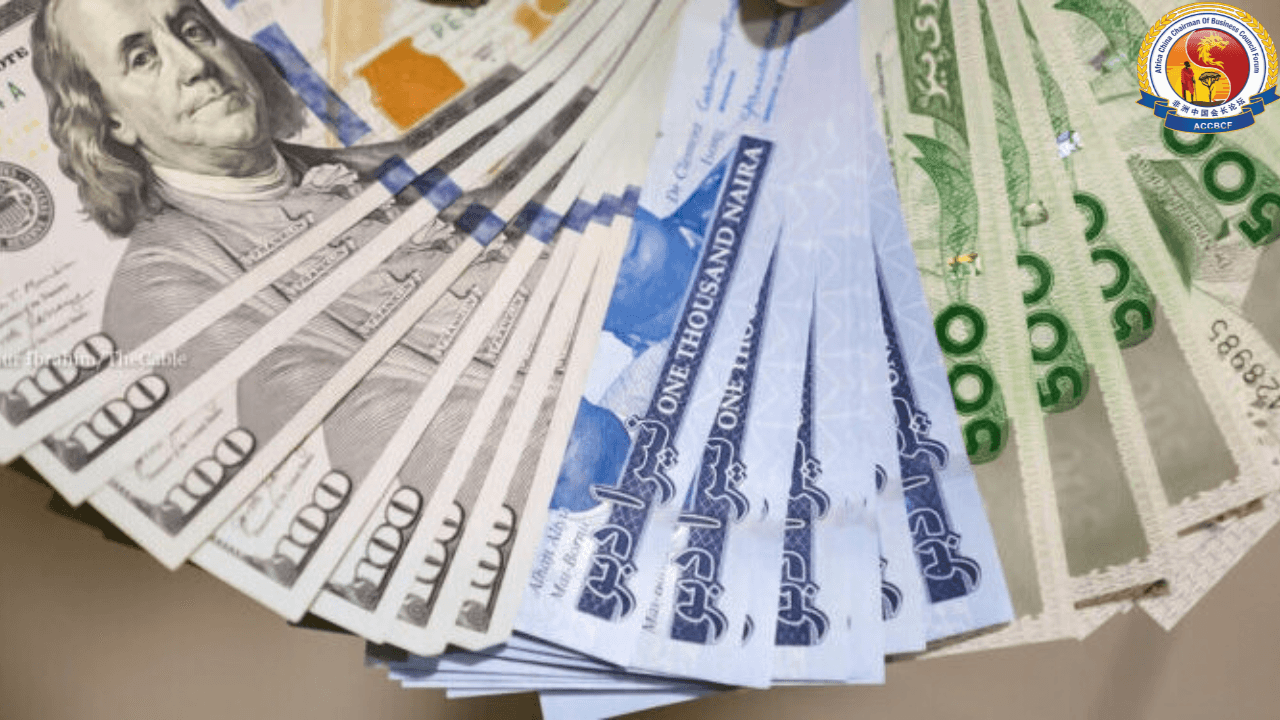
The naira recorded a slight gain against the United States dollar in Nigeria’s official foreign exchange market, offering a modest shift for businesses that depend on foreign currency to pay for imports.
The naira closed at ₦1,329.80 to the dollar at the Nigerian Foreign Exchange Market (NFEM) on Monday, September 21, 2026, compared with ₦1,331.20 in the previous session, according to the latest figures. However, the dollar was trading at about ₦1,389 in the parallel market, creating a gap of roughly ₦59.20 between the two rates.
For Nigerian importers, exchange-rate movements remain an important factor in determining the cost of goods brought into the country.
Nigeria imports large volumes of manufactured products, machinery, electronics, household items, industrial equipment and other goods from China. As a result, changes in the naira-dollar rate can affect the naira cost of transactions involving international suppliers.
A stronger naira can reduce the naira amount required to obtain dollars for eligible import-related transactions, although the actual impact on prices depends on several other costs across the supply chain. The latest movement comes as businesses continue to monitor foreign exchange supply, import demand and monetary policy developments.
The naira’s performance in both the official and parallel markets continues to be influenced by dollar supply and demand, foreign exchange inflows, import-related demand and monetary policy developments. For businesses trading between Nigeria and China, the exchange rate is only one part of the cost equation. Freight, insurance, customs duties, port charges, logistics and the prices set by suppliers also influence the final cost of imported products.
The latest figures therefore provide a snapshot of the currency market rather than a direct indication that imported goods will immediately become cheaper. As of September 22, the latest confirmed figures cited put the dollar at ₦1,329.80 at the NFEM and around ₦1,389 in the parallel market. Actual rates can vary depending on the bank, Bureau de Change operator, transaction size, location and timing.
For Nigerian businesses engaged in China trade, continued stability in the foreign exchange market could remain important as they plan purchases, manage import costs and assess opportunities for deeper trade and investment ties between both countries.
Dorcas chia
News Correspondent
Communiqué de presse officiel du secrétariat
Transmis par le Département du Commerce et des Investissements du Secrétariat de l’ACCBCF et le Centre International des Médias au Ministère Fédéral de l’Industrie, du Commerce et des Investissements, Abuja, Nigeria.