
South Africa Signs $1bn BRICS Bank Deal to Upgrade City Infrastructure
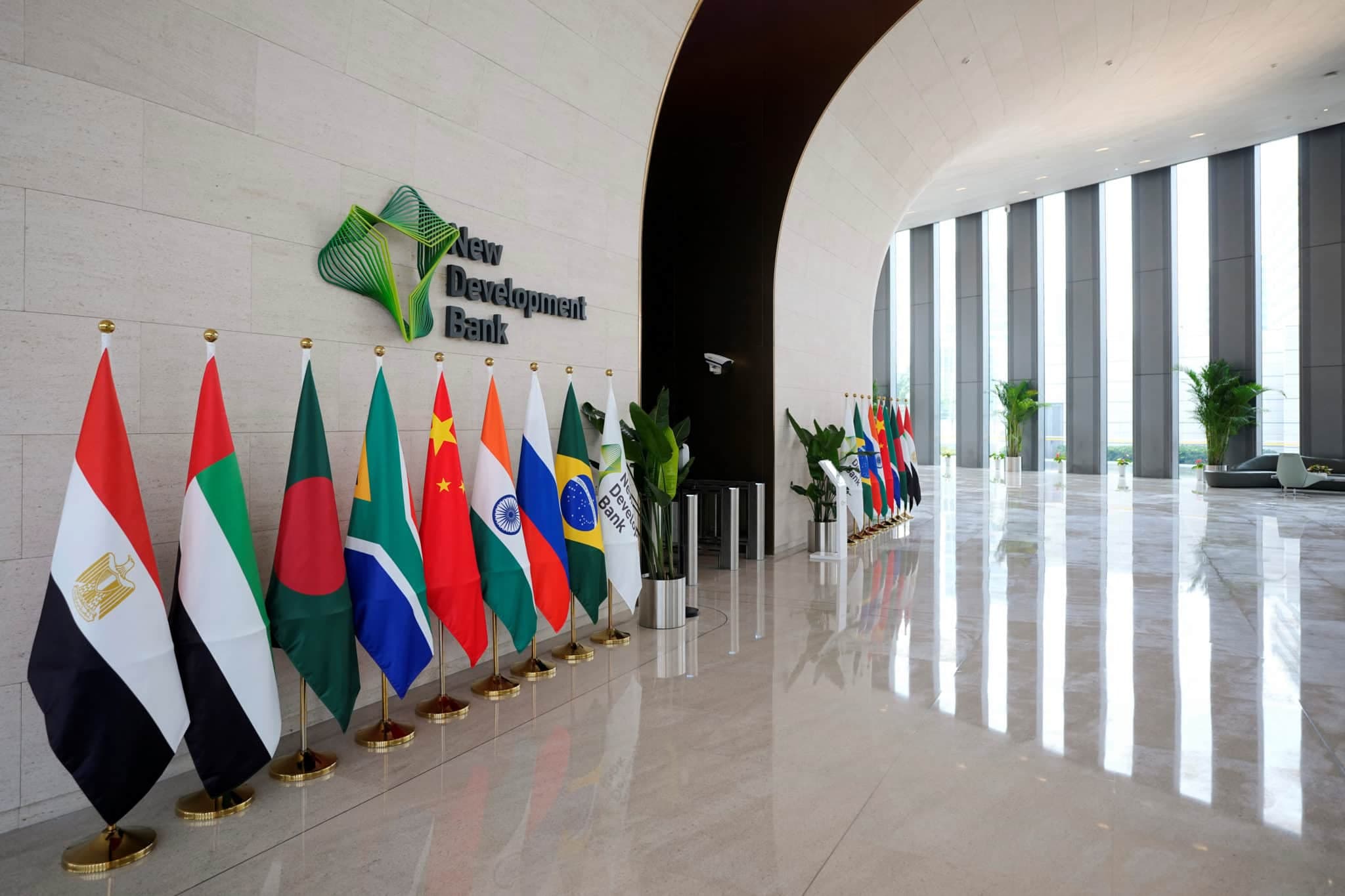
South Africa has secured a fresh $1 billion financing boost from the New Development Bank to upgrade infrastructure across some of its biggest metropolitan areas.
The agreement, signed on Tuesday, September 15, 2026, strengthens the role of the BRICS-backed bank in financing major development projects across member countries.
The funding will support improvements to municipal infrastructure and essential urban services, as South Africa continues efforts to address infrastructure challenges affecting major cities.
$1 Billion for Urban Infrastructure
The New Development Bank, commonly known as the BRICS Bank, is providing the financing under an agreement with the South African government.
The programme will focus on upgrading infrastructure in eight major metropolitan municipalities.
The investment is expected to support essential services and improve the ability of cities to deliver infrastructure to growing urban populations.
Areas such as water supply, sanitation, electricity and solid waste management are among the key infrastructure needs facing South African municipalities.
The financing therefore comes at a critical time as the country seeks to modernise ageing infrastructure while improving public services.
BRICS Financing Gains Momentum
The deal also highlights the growing importance of the New Development Bank as an alternative source of development financing for emerging economies.
Established by BRICS countries, the institution was created to finance infrastructure and sustainable development projects across member states and other eligible developing economies.
South Africa has increasingly used its position within BRICS to push for greater access to development financing and stronger cooperation among emerging markets.
The latest agreement comes shortly after the BRICS summit in New Delhi, where member countries backed efforts to strengthen the New Development Bank and expand its capacity to support infrastructure and development projects.
Why the Deal Matters
For South Africa, the financing could provide much-needed support to municipalities struggling with infrastructure backlogs and pressure on basic services.
Improved infrastructure can also have wider economic effects.
Reliable water and electricity networks, better sanitation systems and more efficient municipal services can improve the operating environment for businesses while supporting investment and job creation.
The deal also demonstrates how BRICS financial institutions are becoming increasingly important in funding large-scale development projects outside traditional Western-led financial institutions.
For other African countries, South Africa’s latest agreement could serve as an example of how regional and multilateral financing can be used to tackle infrastructure gaps.
A Wider Africa Opportunity
Africa faces an estimated infrastructure financing gap running into hundreds of billions of dollars annually.
Governments across the continent are therefore looking for new sources of capital to finance transport networks, energy projects, water systems, digital infrastructure and urban development.
The New Development Bank’s growing role could provide another avenue for countries seeking long-term development financing.
For South Africa, the immediate priority will be ensuring that the $1 billion investment translates into visible improvements in the cities and communities targeted by the programme.
If effectively implemented, the financing could strengthen municipal services while demonstrating the practical impact of BRICS-backed development finance on the African continent.
Sarah Kadiri
News Correspondent
Communiqué de presse officiel du secrétariat
Transmis par le Département du Commerce et des Investissements du Secrétariat de l’ACCBCF et le Centre International des Médias au Ministère Fédéral de l’Industrie, du Commerce et des Investissements, Abuja, Nigeria.