Obasanjo Reveals Nigeria’s Role in South Africa’s Fight Against Apartheid
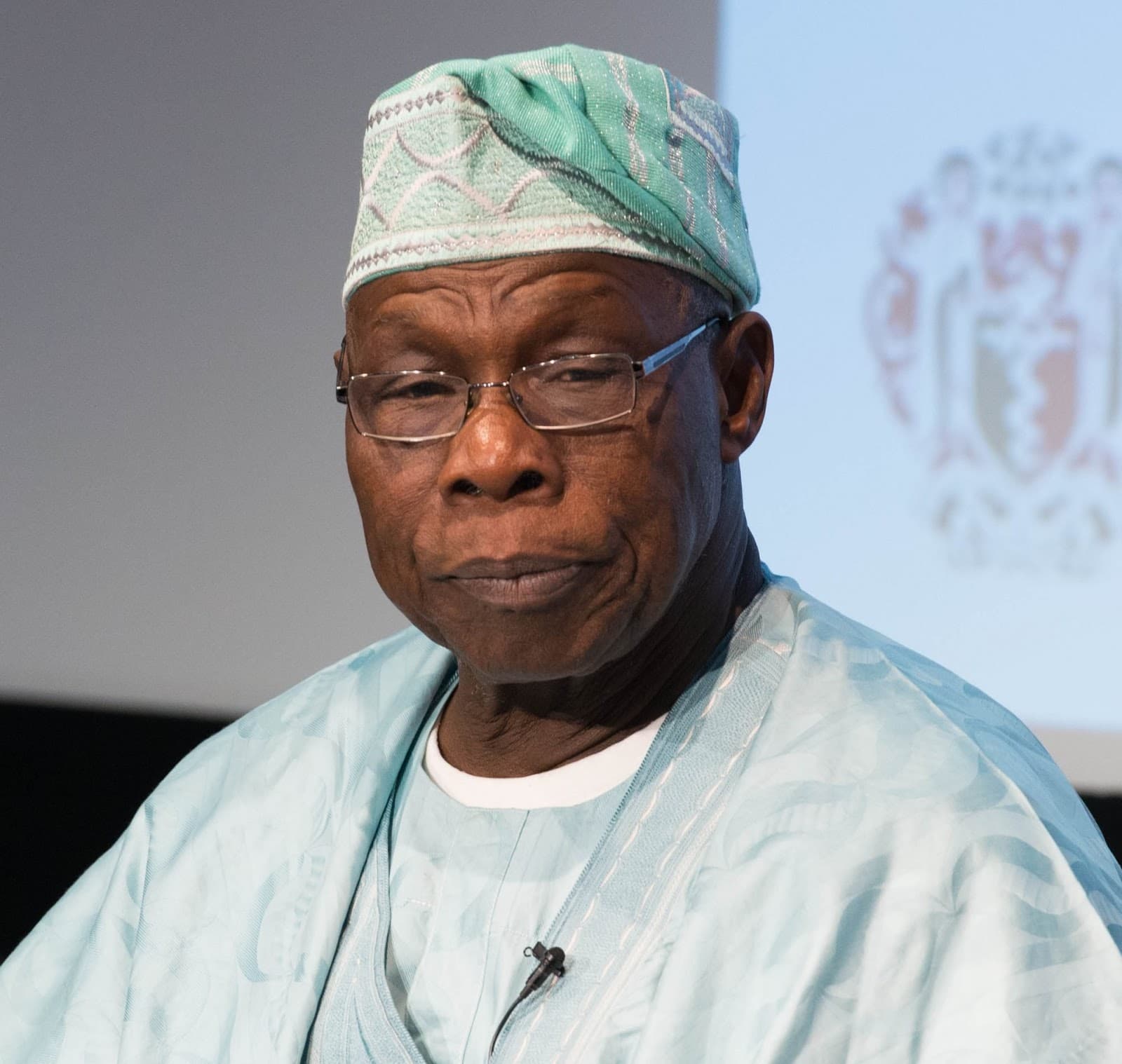
Former President Olusegun Obasanjo has reignited discussion over Nigeria’s historic role in South Africa’s liberation struggle, saying the country’s support was critical to the eventual end of apartheid.
Former Nigerian President Olusegun Obasanjo has recalled Nigeria’s long-standing support for South Africa’s anti-apartheid struggle, making a strong claim about the role the West African nation played in helping bring white minority rule to an end.
Speaking during an interview on C-Suite Café hosted by Ikem Okuhu, Obasanjo said South Africa would not have ended apartheid when it did without Nigeria’s sustained support for the struggle.
His comments come at a sensitive moment in Nigeria-South Africa relations, with renewed concerns over attacks against African migrants in South Africa, including Nigerians.
Obasanjo recalls Nigeria’s historic support
According to Obasanjo, Nigeria’s opposition to apartheid was not driven by expectations of economic or political benefits.
He said Nigeria’s position was rooted in the belief that no Black person should be treated as inferior because of their skin colour.
The former president described Nigeria’s approach as “enlightened self-interest”, arguing that the country saw the liberation of other African nations as part of a broader continental responsibility.
For decades, Nigeria provided political, diplomatic and financial support to movements and initiatives opposing white minority rule in Southern Africa.
That support included backing for the anti-apartheid campaign internationally and assistance to liberation movements and communities affected by apartheid.
From diplomatic pressure to financial support
Nigeria’s involvement went beyond statements of condemnation.
Successive Nigerian governments used the country’s diplomatic influence to oppose apartheid and support international efforts aimed at isolating the apartheid regime.
Nigeria also contributed resources to the anti-apartheid struggle and supported initiatives designed to assist those fighting racial segregation and minority rule.
The country’s position reflected a wider foreign-policy principle that African states should support liberation movements across the continent.
By the late 1980s and early 1990s, international pressure on South Africa had intensified, alongside growing resistance inside the country.
South Africa eventually held its first democratic, non-racial elections in 1994, bringing the apartheid era to an end and paving the way for Nelson Mandela’s presidency.
Obasanjo: Nigeria should remember its contribution
Obasanjo said Nigerians should be proud of the country’s contribution to the liberation struggle.
His remarks place renewed attention on a chapter of Nigeria’s foreign-policy history that has often been overshadowed by present-day economic and diplomatic disagreements between Abuja and Pretoria.
The former president argued that Nigeria’s support was offered without expecting direct rewards.
For him, the struggle against apartheid was fundamentally about African solidarity and opposition to racial discrimination.
A message amid fresh Nigeria-South Africa tensions
Obasanjo’s comments also arrive as relations between Nigeria and South Africa face fresh pressure over the treatment of African migrants.
Nigeria has recently taken diplomatic and parliamentary measures in response to anti-migrant violence in South Africa, including concerns over attacks involving Nigerians.
The renewed tensions have brought uncomfortable questions about the relationship between Nigeria’s historic support for South Africa’s liberation and the experiences of some Nigerians living in the country today.
Obasanjo’s intervention therefore connects two different periods of the relationship: Nigeria’s historic role in opposing apartheid and the challenges facing Nigerians in post-apartheid South Africa.
Remembering Africa’s shared struggle
South Africa’s transition from apartheid to democracy was shaped by internal resistance, international pressure and support from countries across Africa and beyond.
Nigeria was among the African countries that maintained strong opposition to apartheid and supported the broader liberation campaign.
Obasanjo’s latest remarks have reopened the conversation about that history, reminding Nigerians and South Africans of the depth of the relationship that existed during the struggle against racial rule.
More than three decades after apartheid formally ended, the former president believes Nigeria’s contribution remains an important part of the story of South Africa’s liberation.
Sarah Kadiri
News Correspondent
Comunicado de imprensa oficial da secretaria
Transmitido pelo Departamento de Comércio e Investimentos da Secretaria da ACCBCF e Centro Internacional de Mídia no Ministério Federal de Indústria, Comércio e Investimentos, Abuja, Nigéria.